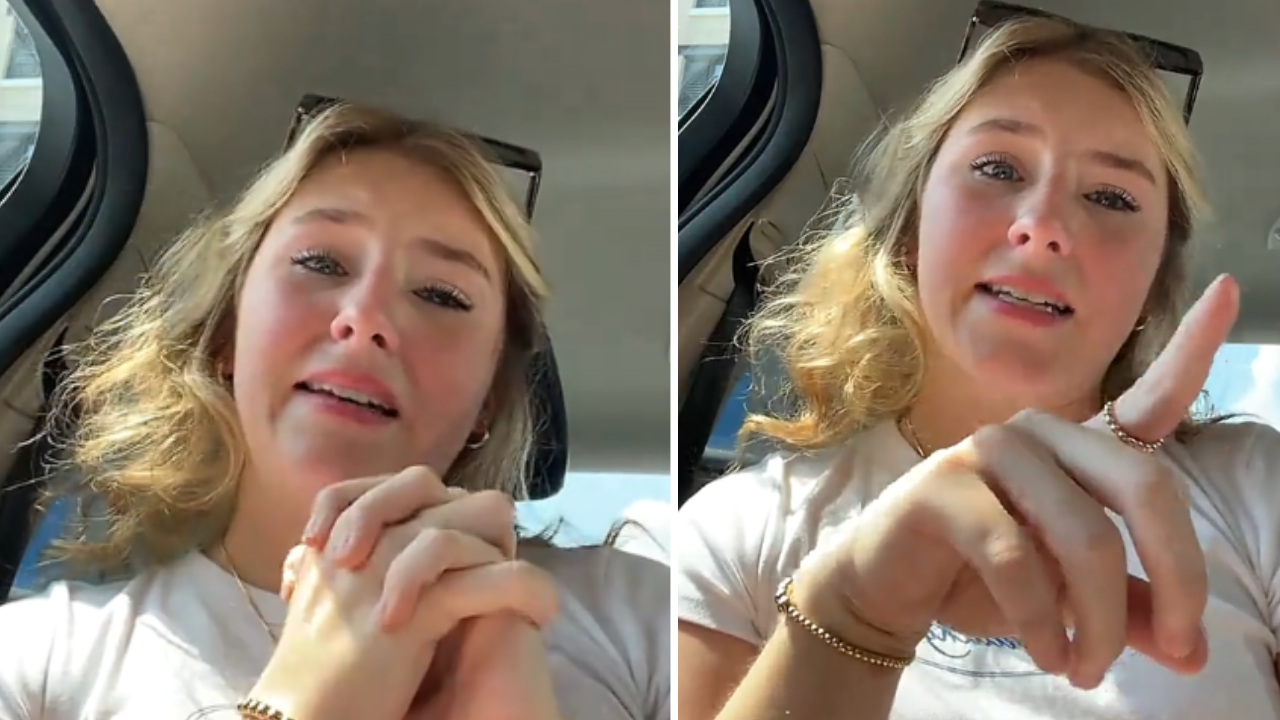

A clip posted by TikToker @kaelensan showing kids striking random adults at a Little Caesars outlet has sparked significant debate about parenting after the parents were reportedly visible in the background laughing.
"I'm so sick of parents NOT BEING PARENTS," one commenter wrote. A second pointed straight at the adults in the background: "And the parents laughing."
@kaelensan Mind you I DONT know who these folks are? #fyp #La #slauson #saxophones #xyzbca
♬ original sound - emomarcus96
A third went further, listing a string of environmental and dietary culprits: "It's the Kool-Aid, Red 40, the Doritos, watching Maury, no bed time, McDonald's for dinner that creates this."
According to research on parenting and child behavior published in peer-reviewed literature, children raised in environments with harsh or inconsistent parenting are more likely to develop behavioral issues including physical aggression.
A separate longitudinal study tracking children from preschool through elementary school found clear links between parenting style and the development of aggressive behavior. Parents who did not regulate their kid's emotions aided in the development of those behaviors.
A child who hits a stranger and hears laughter instead of correction is learning a lesson: aggression pays.
A substantial amount of research has connected children's violent and rebellious tendencies to harsh and inconsistent parenting techniques, according to a PMC study on parenting styles and disruptive behavior.
Comment
byu/Soarin_Fly from discussion
inKidsAreFuckingStupid
Inconsistency increases psychological harm, according to the study. When a parent laughs on some days and disciplines on others, the child is left without a clear understanding of what is appropriate.
The research context aside, the TikTok comment section was unambiguous. The parents' visible laughter drew as much criticism as the children's behavior.
As of publication, the clip remained available on @kaelensan's TikTok page. The strangers who were hit and the children's parents have not been identified. No follow-up had been posted at the time of publication.