The whole purpose of the TikTok deal was to allow US citizens more privacy and agency over how their data might be used. However, days after the divestment was, at long last, finalized, some TikTokers have noticed what they believe to be another potential privacy breach.
In the past, users have had the option to toggle location tracking on and off. However, according to some netizens, the ability to do this has vanished.
RIP TikTok 2018-2026 pic.twitter.com/AkNh0XL9Sd
— Jeremy (@Jeremybtc) January 23, 2026
Location data changes in TikTok's new ToS?
It's important to note that tracking geolocation data isn't a new concept for TikTok—or for smartphones in general. In fact, it is very common for smartphones to use things like GPS, WiFi, and network signals to establish users' approximate location.
But the part that is making some users feel icky isn't necessarily the discovery that countless apps—TikTok included—are able to tap into geolocation data like this. The problem is the fact that users believe that they have that choice taken away from them.
However, this might not be necessarily true. Upon further investigation, the Daily Dot has confirmed in both the UK and the US that the geolocation feature is toggled 'off' by default, and that the option to change this is still available.
TikTok's privacy policy is also alarming users
Still, users are also disturbed by another aspect of the app's new privacy policy.
A TikTok screenshot of the privacy policy shared by a Bluesky user seems to suggest that the app collects "sensitive personal information" based on users' survey responses and user content about "racial or ethnic origin, national origin, religious beliefs, mental or physical health diagnosis, sexual life or sexual orientation, status as transgender or nonbinary, citizenship or immigration status, or financial information."
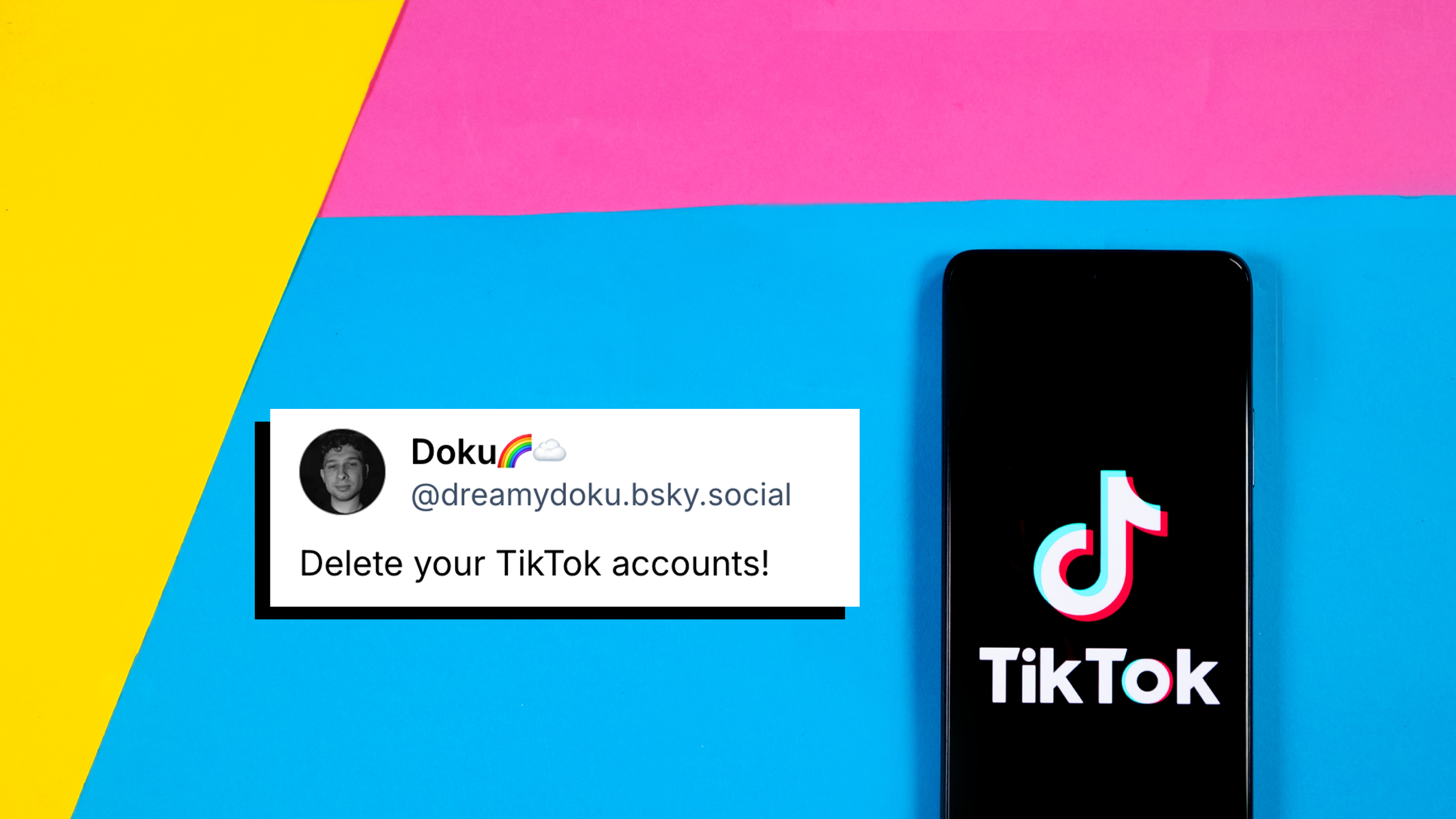
In response to both of these issues, Bluesky users are urging others to leave the app behind. "Delete your TikTok accounts!" one wrote.
"I deleted TikTok back when the Oracle purchase was announced, but if you've still got it, you GOTTA dump it," another urged.
"Especially for trans folks. It straight up says in the new ToS that they—Oracle, the company that has active ties to the Trump admin—are monitoring and documenting trans and NB users."
While a third claimed: "TikTok is now under US ownership, and their new ToS reads like a guide to giving fascists everything they need to put you on a list.
They’re collecting information about immigration status, citizenship, sexual orientation, whether you’re trans or non binary, and physical or mental disabilities."
btw guys pls do not accept the new tiktok privacy policy cause shit is creepy... theyre gonna put you on a gay list pic.twitter.com/HwVnC5NwY5
— drew (@honeydrewyu) January 23, 2026
But, again, this worry may not be entirely founded.
First of all, some users appear to be confounding TikTok's privacy policy with its terms of service. And secondly, this disclosure of how it collects user information isn't new, either.
As reported by TechCrunch, TikTok is informing viewers of its handling of "sensitive information" in order to comply with state laws like the California Privacy Rights Act and the California Consumer Privacy Act.
“TikTok is required under those laws to notify users in the privacy policy that the sensitive personal information is being collected, how it is being used, and with whom it is being shared,” Jennifer Daniels, a partner at law firm Blank Rome, tells the outlet.
I'm not agreeing to tiktok's new privacy statement. So no more tiktok pic.twitter.com/90pqjOuh7u
— k_eye_em (@mzmodelface) January 26, 2026
TechCrunch then went on to explain how, when TikTok talks about collecting "sensitive data," this is actually in reference to personal information a user shares in videos or comment sections.
As business litigator Ashlee Difuntorum puts it to the outlet, "TikTok is essentially saying that if you disclose something sensitive, that information becomes part of the content the platform technically 'collects."
"Policies like this often look alarming because they’re written for regulators and litigators, not for ordinary consumers. That said, the wording can understandably strike users as intrusive when it’s laid out so bluntly."
TikTok has experienced a major outage just days after they struck a deal with the U.S. to avoid a ban.
— Pubity (@pubity) January 25, 2026
Reported issues include not being able to log in, videos not loading, losing access to creator tools, and more. pic.twitter.com/3X7Bw7KYdq
This all comes as TikTok users are reporting issues with access and possible censorship of specific topics in the few days since the changeover.
The Daily Dot has reached out to TikTok for comment.
The internet is chaotic—but we’ll break it down for you in one daily email. Sign up for the Daily Dot’s newsletter here.