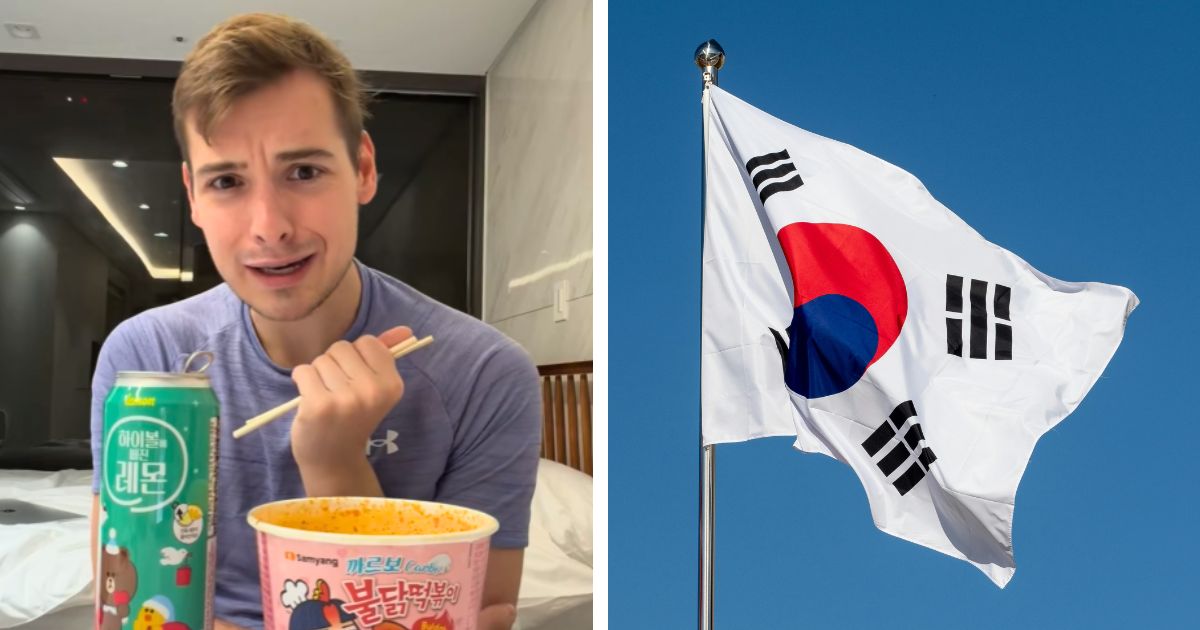
A Korean American content creator is going viral after documenting what he described as overt anti-Filipino discrimination at venues in South Korea. His TikTok video has, in turn, led to a conversation about xenophobia within Asian communities and how different such practices are from legal norms in the United States.
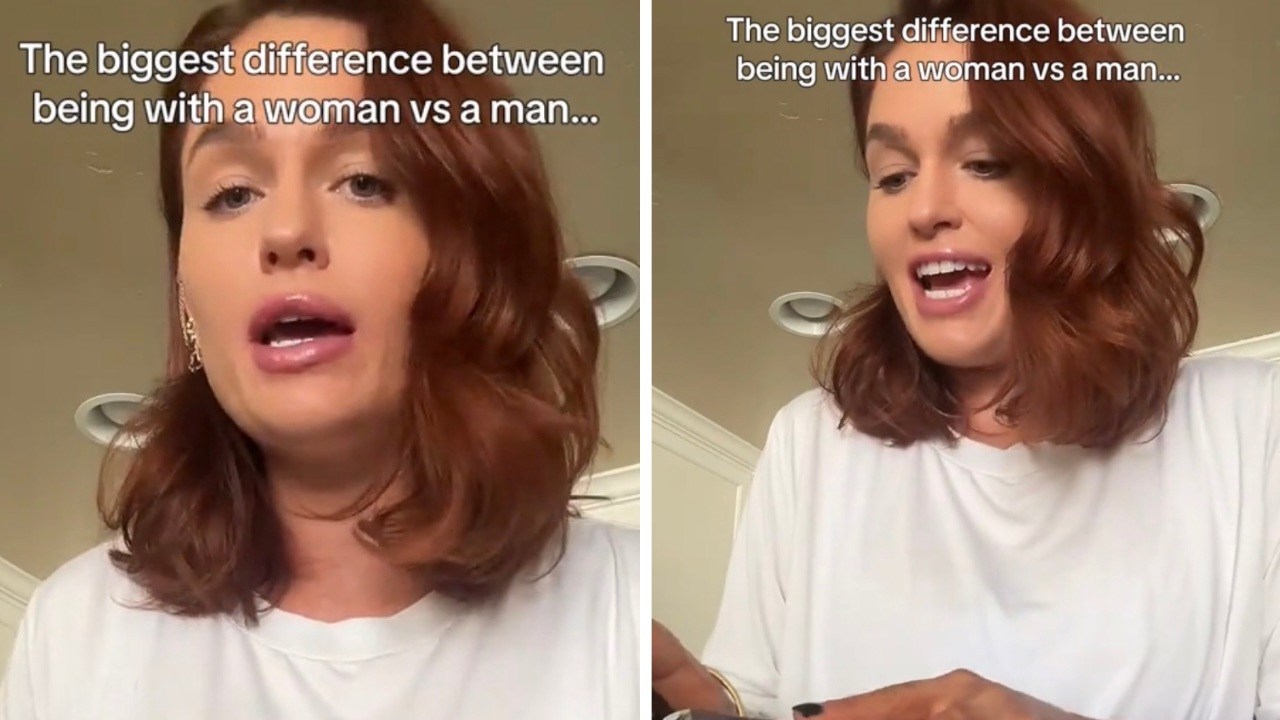
The TikToker posted a video that has since amassed more than 765,000 views. In the clip, he describes a sign outside one establishment that reads "No Filipinos Allowed."
At a second venue, a posted list specified which nationalities could enter (including Americans, Europeans, Koreans, Japanese and Taiwanese), somehow excluding Filipinos, Chinese and Vietnamese people. he said staff were checking IDs at the door to enforce the policy.
"If you were to put that on a store in the United States, that store would be burnt to the ground the next day, probably," he said in the video. "That store ain't surviving the night." The creator said he had visited South Korea before but had never seen anything like it. "I didn't think this was a thing," he said. "Can somebody let me know if this is a common thing in Korea?"
@callmebelly I could not believe my eyes when I saw those signs ??
♬ original sound - elliott
The country lacks a comprehensive anti-discrimination law, which the U.N. Human Rights Committee has flagged as a concern since at least 2015. Without such a law, non-Korean people are routinely denied services at clubs and in taxis, and immigrants from parts of Asia, Latin America and Africa face open discrimination.
A 2020 survey conducted by Segye Ilbo found that 69.1 percent of 207 foreign nationals residing in South Korea had experienced discrimination or hate-based treatment. Of those, 32.9 percent were instances of indirect discrimination, while 16.4 percent were verbal abuse and 10.6 percent were unfair treatment such as wage discrimination, according to Asia News Network.
Plus, a 2019 report by South Korea's National Human Rights Commission found that 56.8 percent of immigrant respondents said Koreans discriminate based on country of origin. Officials say that the way foreigners are treated depends on where they come from, their skin color and origin.
Comment
byu/Carnfomaki from discussion
inTikTokCringe
The TikToker's video was also shared on Reddit, where many people pointed out similar incidents or how layered this problem really is.
After the TikToker asked viewers to explain the situation, a Reddit user wrote that they had been stationed in South Korea as a soldier and left in late 2011.
As of then, they say, "Sri Lankans in Korea mostly did factory work. Filipinos were mostly women who worked in clubs and were called juicy girls. Sri Lankans and Filipinos were seen as lower class by many South Koreans."
A commenter noted, "[That] is ironic since Filipinos aided them in the Korean War along with the Americans." A third went so far as to add that the reality is that "the Japanese look at Koreans like the Koreans look at Filipinos." Ironic, right?