
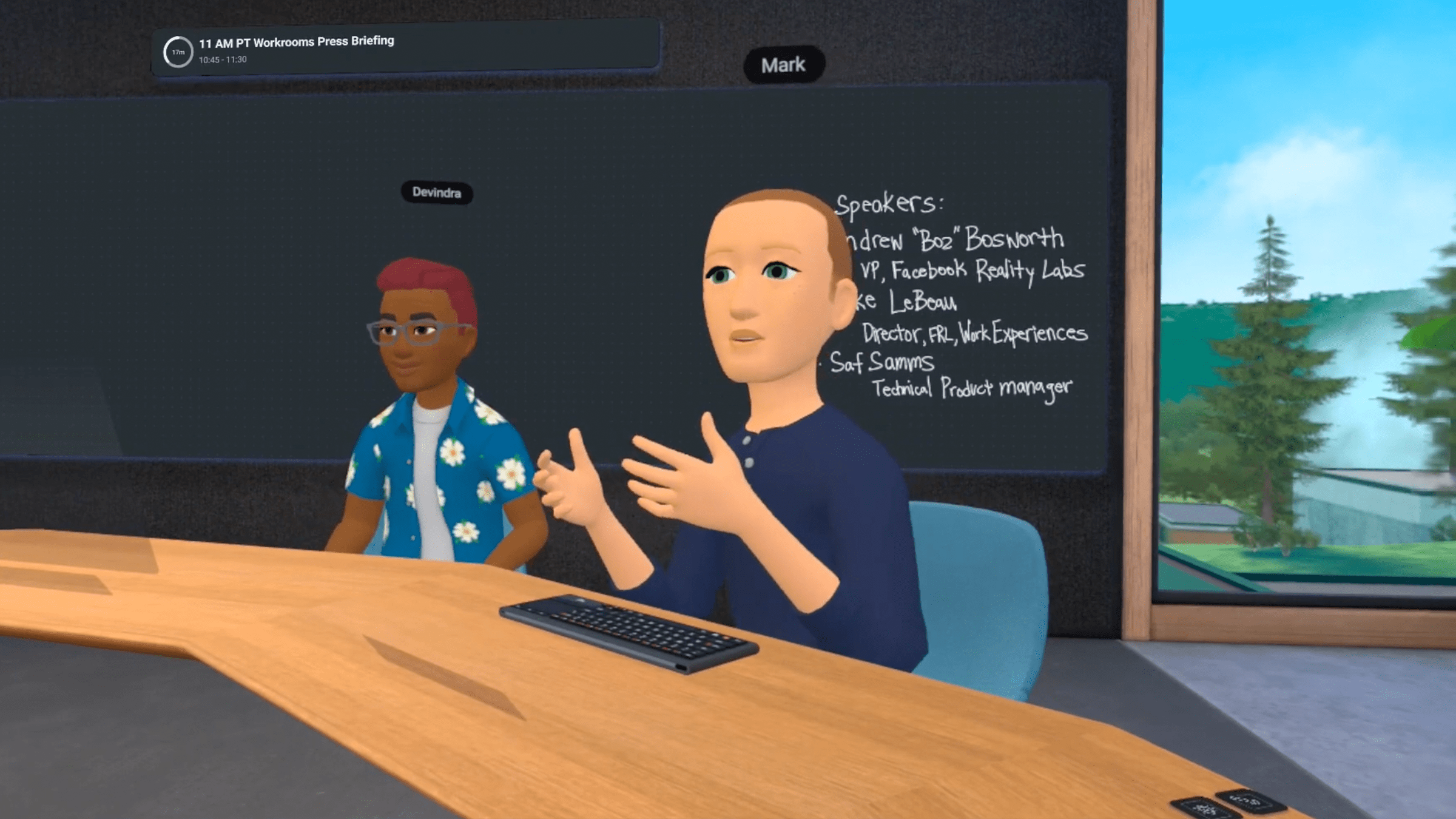
Meta is officially backing away from one of its most ambitious virtual reality bets, announcing the shutdown of Horizon Worlds, marking a major shift in its long-running metaverse push.
However, the change did not come as a surprise to many observers who had watched the platform struggle to gain traction.
According to an email sent on March 17, Horizon Worlds would disappear from the Quest store starting on March 31, while the entire VR experience will shut down on June 15. After that, the service will continue only as a mobile platform, and several features will vanish along the way.
A costly experiment winds down
Meta once treated Horizon Worlds as a centerpiece of the company's future, to the point that it rebranded from Facebook to Meta as the overarching umbrella company. Yet, despite billions in investment, the platform never attracted a stable audience.
Early on, Horizon Worlds drew criticism for its awkward design. Avatars lacked legs, and many users on the platform mocked their stiff, weird expressions.
The shutdown of the metaverse doesn't come out of nowhere; Meta’s Reality Labs division saw 10% of its VR employees laid off in February, and Meta has been largely focusing its efforts on artificial intelligence and wearable technology.
Industry analysts said the outcome was predictable. "Meta’s pivot on Horizon Worlds is the predicted and inevitable outcome of a big, risky bet that never found an audience," Mike Proulx of market research firm Forrester told WIRED. He added that the company tried to solve a problem consumers did not really have.
People were largely unsurprised by the metaverse's closure
Online reactions reflected years of skepticism toward the metaverse project. Some former employees pointed to internal mismanagement as a key issue.
One such person, @vasuman, tweeted that "the Metaverse had real legs but was obliterated by middle management, completely out of touch with how young people actually use technology."
"I built a V1 tool that game developers genuinely needed, and the moment it was done, it got shipped to a team in London (to die), and I was reassigned to a 'higher-priority project' that zero developers asked for," they added. "Multiply that by every team, and you'll understand why this never took off yet cost 80 billion."
Others took a more sarcastic tone. "In honour of the closure of the metaverse, I would like to re-up one of the worst videos ever recorded," posted @malonebarry, re-sharing a widely mocked clip from 2021 featuring Mark Zuckerberg and an employee sounding robotic as they explained the company's latest technologies.
Just two humans having a perfectly natural conversation. pic.twitter.com/mY2ACxe6nv
— Barry Malone (@malonebarry) October 30, 2021
@malonebarry added in another tweet, "I still can’t believe they tried to tell us that making ourselves 1995-level graphics avatars with no legs was the future."
"Remember a couple [of] years ago when a bunch of billionaire morons convinced us this would be the future," @mattxiv asked.
Meanwhile, another person called it "the most expensive 'what if' in tech," listing Meta’s massive investments, including its $2 billion Oculus acquisition and roughly $80 billion spent on the broader vision.
The internet is chaotic—but we’ll break it down for you in one daily email. Sign up for the Daily Dot’s newsletter here.