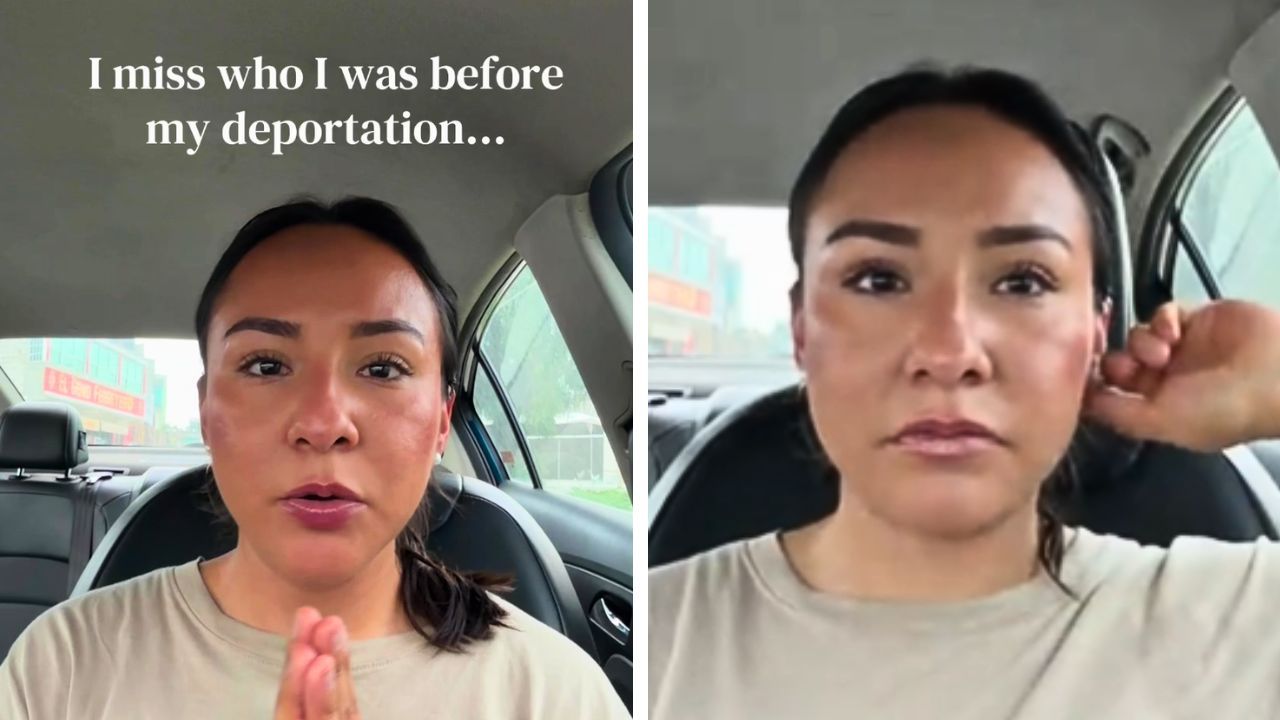
In a TikTok post from June 19, Giovanna Hernandez spoke about how being deported has meant more than just leaving the United States. She said she misses the person she was before her deportation and described the emotional consequences of what she says is forced separation, immigration detention, culture shock, and social isolation.
As she says in the video, Hernandez misses the concrete aspects of her previous life, such as her family, friends, home, room, and dog. But she also feels that she has changed fundamentally. And since deportation can result in the loss of a home, one's community, routine, and relationships all at once, the experience of it can be similar to that of grief while requiring the person to quickly adjust to a new situation.
Hernandez said that it has been 17 years since she last went to the place where she now lives. At first, she thought about how she could start a new life by herself, but she has since established a routine and has started getting used to living with family she last saw as a child.
She says, "I'll look at pictures from before, and I just know that I'm…a completely different person…I don't recognize [myself]."
@gioooh_ Vulnerable thoughts.. forced separation trauma is real, immigration detention trauma is real, culture shock is real, social isolation is real, and what’s also real is that thousands of people continue facing this inhumane and broken system ❤️? #immigration #deportation #dreamer #mexico #fy
♬ original sound - Giovanna Hernandez
The psychological effects of deportation do not end at the moment when a person is sent out of a country. The deportation process can involve detention, prolonged uncertainty, family separation, and abrupt disruption of daily routines.
Although one might be going back to a place where they were born or had previously lived, they can feel that it is no longer their home. This can make it especially hard to get used to the situation.
Most commenters on Hernandez's post referred to the experience as one of grief. Some shared their own experiences of being deported or being forcibly moved, while others did not recognize themselves after major upheavals that immigration caused.
A commenter, for example, said that they had lived in the United States for 22 years before going back to Mexico and that they were "mourning for our old life." Another person said that they had spent 21 years in the U.S. before being deported and had difficulty coming to terms with being separated from their children and husband.
Others urged Hernandez to give herself time to feel at home.
Hernandez said the experience had revealed strengths she did not know she had. She has become more resilient and patient, and she has learned how to start again. However, that does not mean that she has to ignore the pain that comes with it, which is why she is still having days when she feels frustrated even if she can't quite work out why. She said she was doing better than she had been in the early months.
In the video, she said she was establishing routines and grounding practices to help her continue moving forward.
The Daily Dot was unable to independently verify the details of Hernandez's immigration experience. The details above reflect the account shared by @gioooh_ on TikTok.